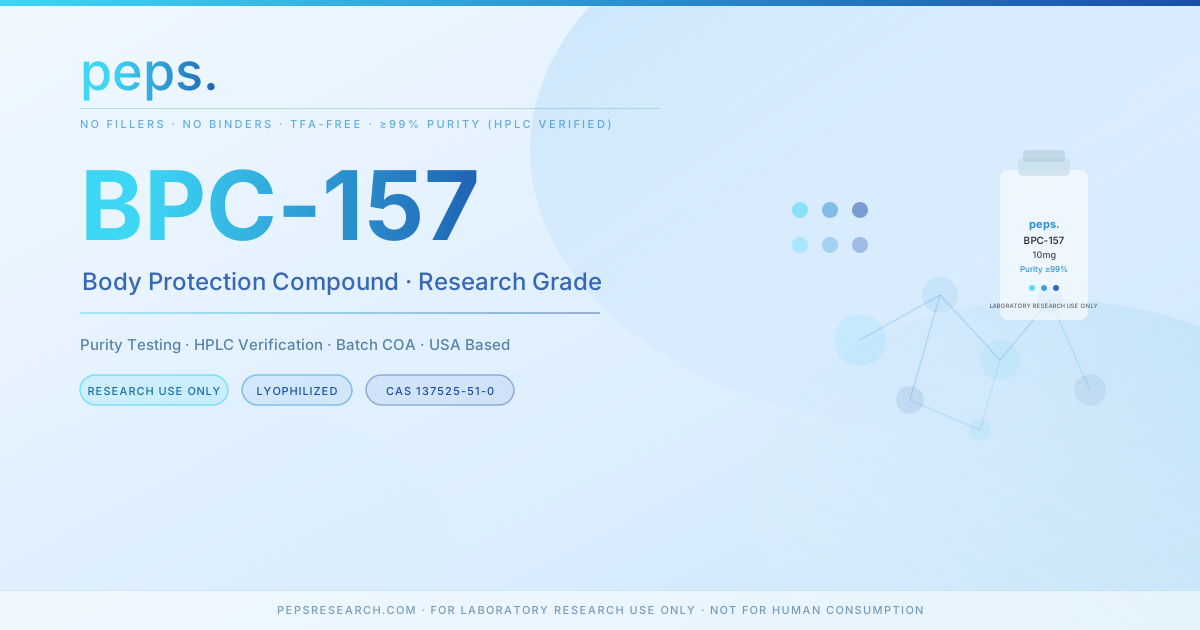
BPC-157 Research Peptide: Purity, Testing & What Researchers Need to Know
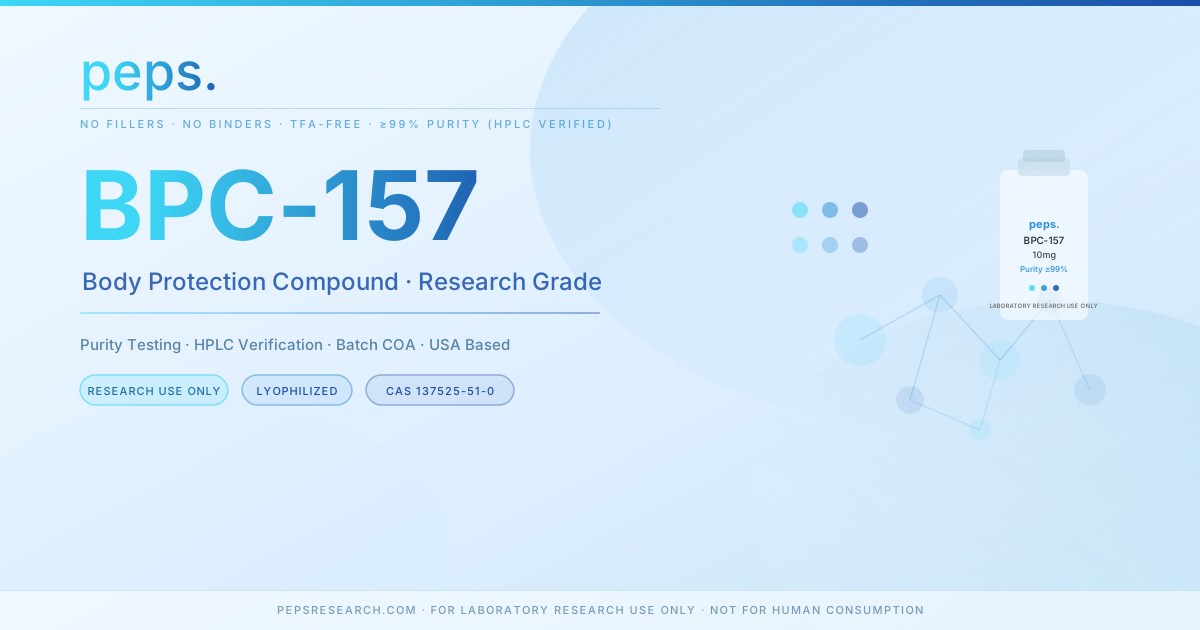
What Is BPC-157?
BPC-157 (Body Protection Compound-157) is a synthetic pentadecapeptide — a sequence of 15 amino acids — originally derived from a protein found in human gastric juice. It has been the subject of extensive preclinical investigation, with over 100 published studies exploring its behavior in cellular and animal models.
As a research compound, BPC-157 is used exclusively in laboratory settings to study its interactions with biological systems. It is not approved by the FDA, is not a drug or supplement, and is not intended for human or veterinary use. All products at Peps Research are sold strictly for in vitro and laboratory research purposes only.
Why Researchers Choose BPC-157
BPC-157 is one of the most widely referenced peptides in preclinical research literature. Scientists studying tissue repair mechanisms, angiogenesis, nitric oxide signaling, and growth factor pathways frequently include BPC-157 in their experimental models.
Key reasons it appears across research literature:
Stability: BPC-157 demonstrates notable stability in biological environments, including gastric conditions, making it useful for a range of in vitro study designs.
Nitric oxide pathway interaction: Published studies have investigated how BPC-157 interacts with the nitric oxide (NO) system, including eNOS activity and VEGFR2 signaling.
Cellular signaling research: Researchers have studied BPC-157’s influence on EGR-1 gene expression, fibroblast activity, and extracellular matrix components including collagen.
Angiogenesis models: BPC-157 has been investigated in preclinical wound healing and vascular biology models for its potential role in blood vessel formation.
Disclaimer: All references to research findings are for informational and educational purposes only. Peps Research does not make any claims about the therapeutic or clinical efficacy of BPC-157. This compound is for laboratory research only and is not for human consumption.
The Purity Problem: Why COAs Matter in Peptide Research
One of the most critical factors in peptide research is purity. Impure or mislabeled peptides can produce unreliable data, invalidate experiments, and introduce confounding variables. Yet the research peptide market has historically lacked consistent transparency around testing.
At Peps Research, we address this directly with Ultra-HPLC verification — a more rigorous form of high-performance liquid chromatography analysis — and provide a Certificate of Analysis (COA) for every batch.
What to look for in a peptide COA:
Purity percentage (Peps Research guarantees ≥99%)
Testing method (HPLC or mass spectrometry)
Batch number for traceability
Identity confirmation — verifying the compound is what it claims to be
Many vendors post generic or outdated COAs. At Peps Research, batch-specific testing means the results you see correspond to the exact vial you receive.
How BPC-157 Is Produced for Research
BPC-157 is synthesized via solid-phase peptide synthesis (SPPS), the industry-standard method for producing short peptides with precise amino acid sequences. After synthesis, rigorous purification processes — including HPLC — are used to isolate the target peptide from byproducts and impurities.
Lyophilization (freeze-drying) is the standard final step for research peptides, producing a stable powder that maintains integrity during storage and shipping when kept under proper conditions.
BPC-157 vs. Common Alternatives in Research Settings
Researchers studying cellular repair and tissue biology often compare or combine peptides. BPC-157 is frequently studied alongside:
TB-500 (Thymosin Beta-4 fragment): Studied for actin regulation and cytoskeletal dynamics. Some research designs use BPC-157 and TB-500 together to investigate complementary mechanisms.
GHK-Cu: A copper-complexed tripeptide studied for extracellular matrix regulation and redox signaling.
KPV: A short peptide derived from alpha-melanocyte stimulating hormone, investigated for anti-inflammatory properties.
Peps Research carries several of these compounds, all verified at ≥99% purity with batch-specific COAs.
Storage and Handling for Researchers
Lyophilized (powder) form: Store at -20°C for long-term storage, or 4°C for short-term use. Keep away from light and humidity.
Reconstitution: Use sterile bacteriostatic water or another appropriate solvent as required by your research protocol.
After reconstitution: Refrigerate at 4°C and use within the timeframe specified for your experimental design.
Always follow institutional biosafety guidelines and handle research compounds in appropriate laboratory environments.
Why Choose Peps Research for BPC-157?
Ultra-HPLC Verified — More rigorous than standard HPLC testing
≥99% Purity Guaranteed — Batch-specific, not generic
Transparent COAs — Published and accessible for every product
USA-Based — Domestic sourcing with fast, reliable shipping
Fully Compliant — Sold strictly for laboratory research use only
Frequently Asked Questions
Is BPC-157 legal to purchase for research?
BPC-157 is legal to purchase in the United States for legitimate laboratory research purposes. It is not approved for human consumption and must not be used as a drug, supplement, or therapeutic. Peps Research sells all products in compliance with applicable federal and state guidelines.
What does “for research use only” mean?
It means the compound is intended exclusively for in vitro studies and controlled laboratory experimentation by qualified researchers. It is not for human or veterinary consumption, injection, ingestion, or any clinical purpose.
How do I verify the purity of a peptide I purchase?
Look for a current, batch-specific Certificate of Analysis (COA) from an independent or in-house HPLC analysis. Avoid vendors who cannot provide up-to-date batch testing documentation.
Does Peps Research provide COAs for all products?
Yes. Every product sold by Peps Research includes a batch-specific COA reflecting Ultra-HPLC verification at ≥99% purity.
Final Note
BPC-157 remains one of the most studied synthetic peptides in preclinical research. For laboratories requiring consistent purity, transparent testing, and reliable sourcing, Peps Research provides a compliant, verified supply.
All products are for laboratory research only. Not for human or veterinary use. Not approved by the FDA.
